Reference photography | Models | AI content | 360-degree tour
Architectural photography
for furnishers
Hospitality furnishers face a different challenge than hotels themselves. It is not about selling a stay, but about making a design achievement visible, often long after it has been created.
While hotels communicate emotion, furnishers build trust through references. Materiality, craftsmanship and execution shape how a project is perceived, yet often disappear behind the overall experience of the finished space.
Photography therefore becomes more than documentation. It acts as a translation between design, product quality and the viewer's first impression.
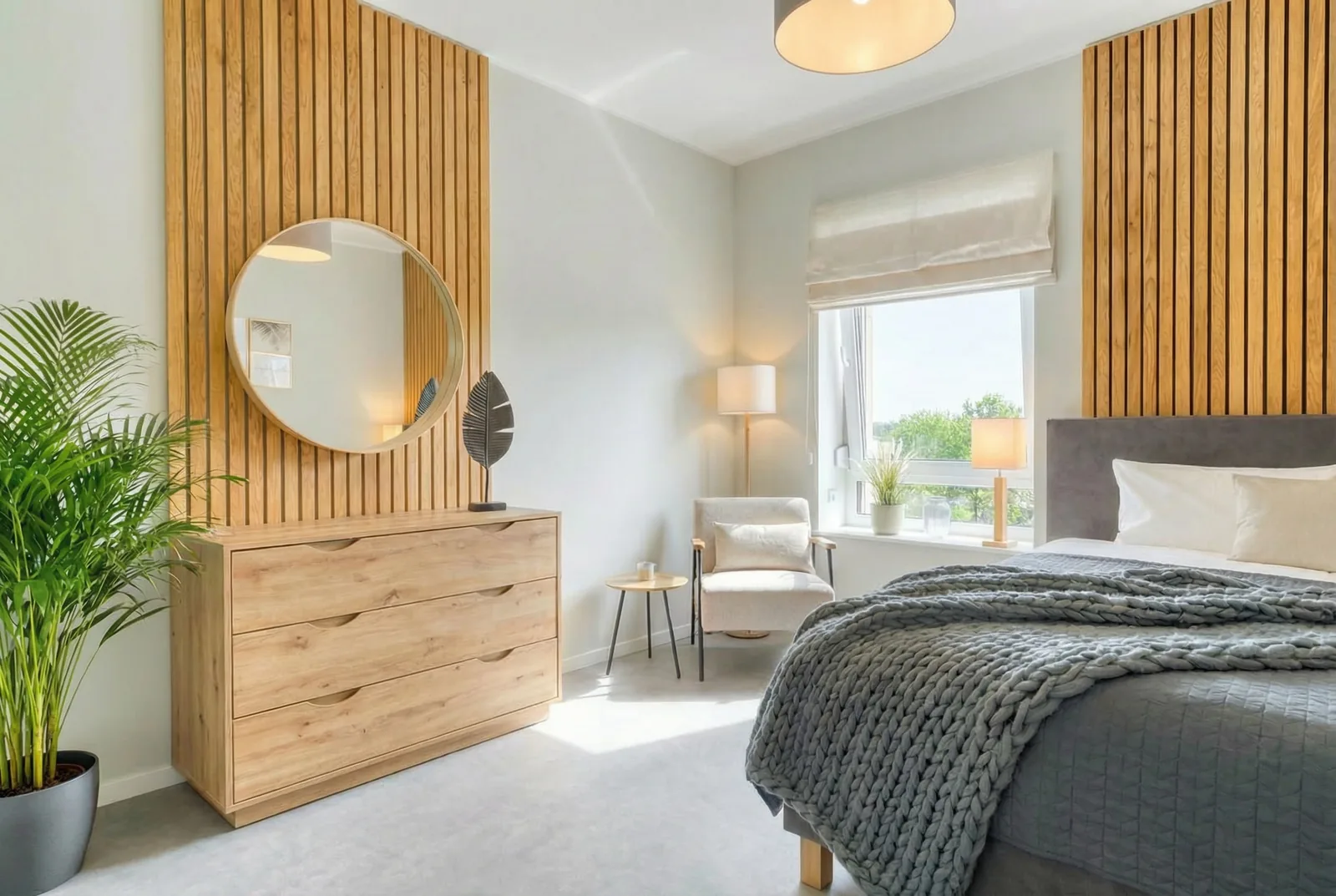
A hotel room cannot be
brought to the client
Its impact can
Hospitality furnishers create spaces that are permanently tied to a specific location, in hotels as much as in holiday apartments, holiday homes and restaurants.
Yet their work needs to be mobile, visible on websites, in presentations, at trade shows or in conversations with potential clients.
Reference images are therefore not an addition, but the foundation of communication. They convey design, product quality and atmosphere in situations where the project itself cannot be experienced. Good photography does not only show the result. It makes visible what has been planned, decided and realised.
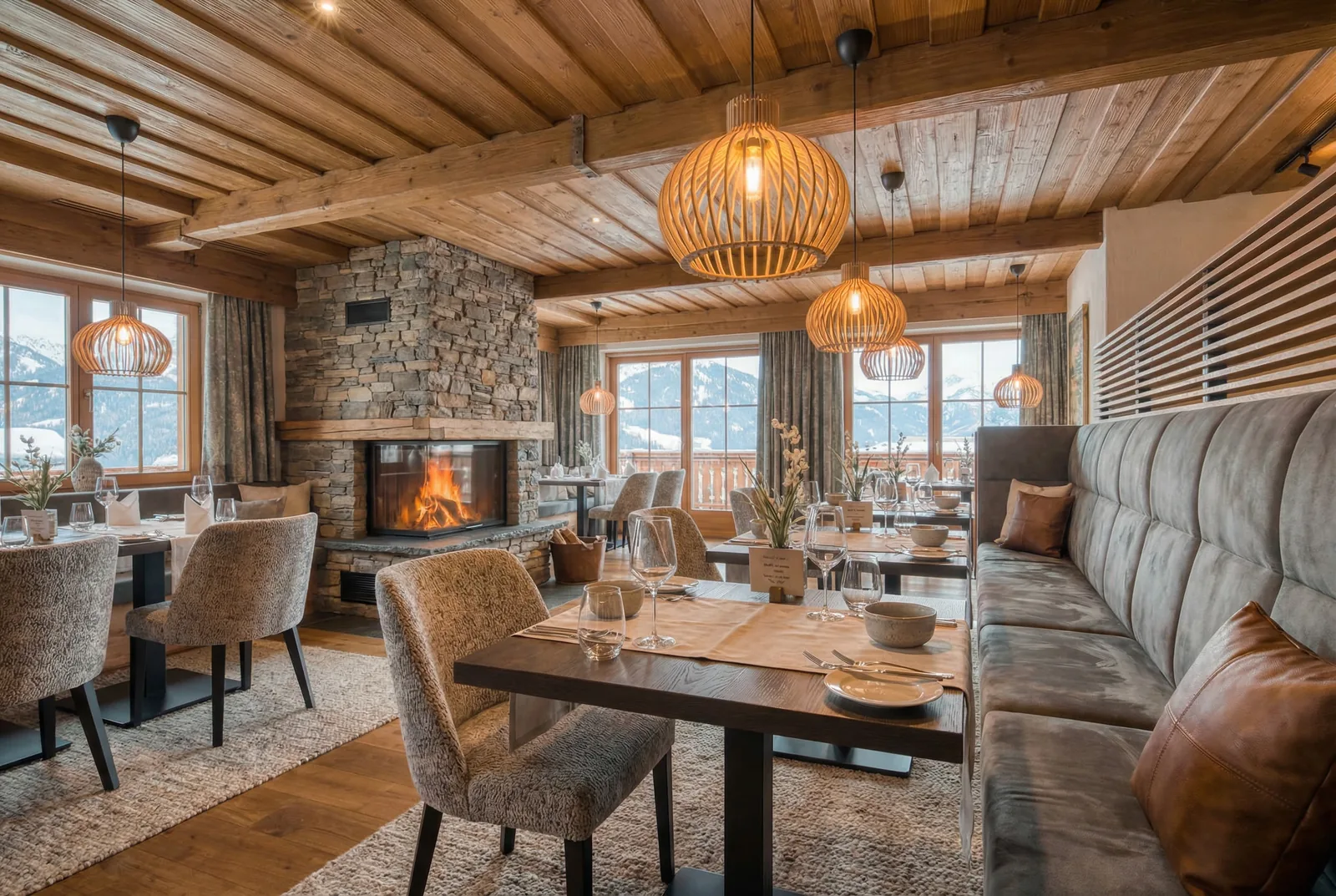
Models are design
and storytelling
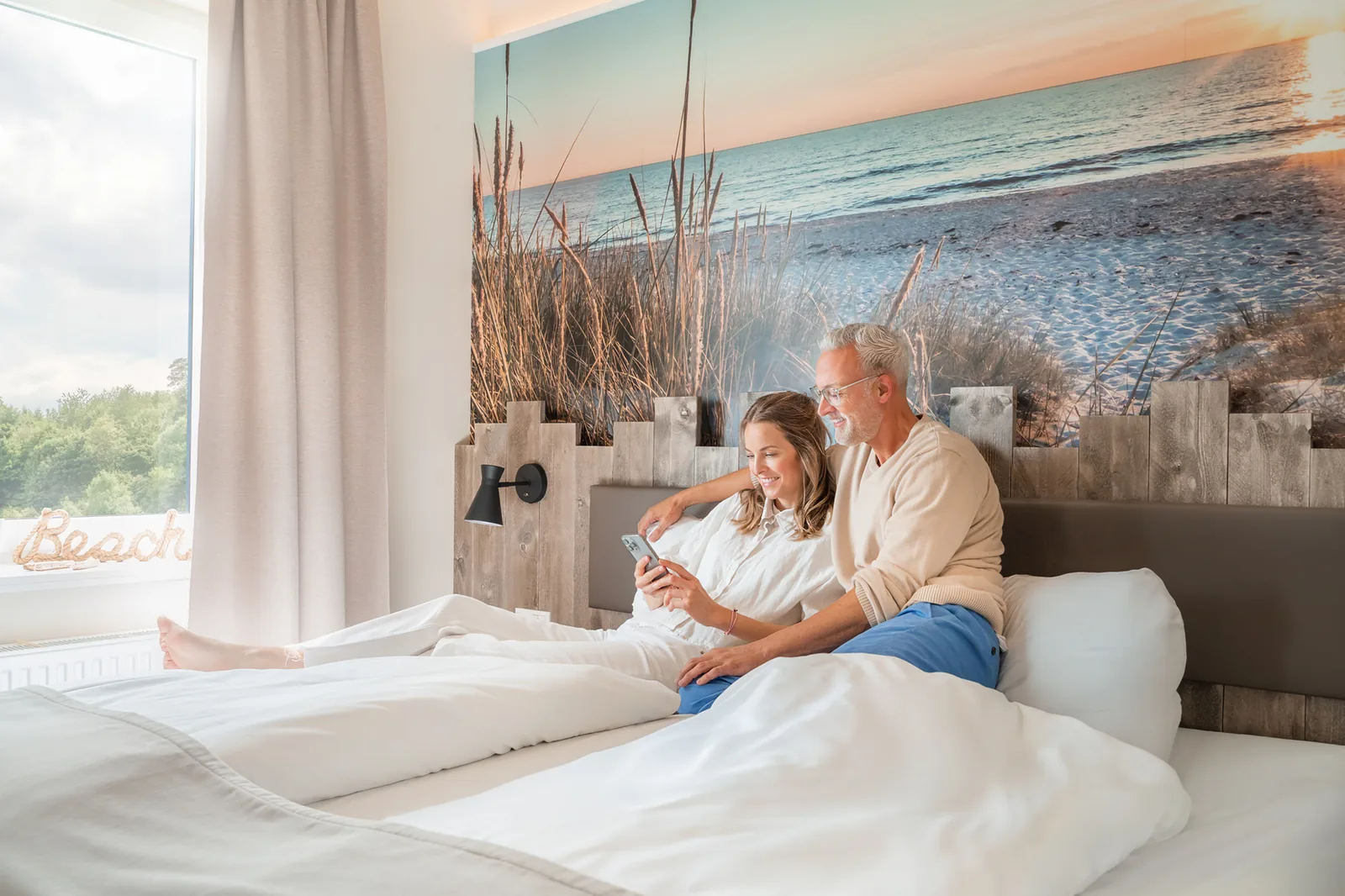
Models are not essential. But when used thoughtfully, they guide the viewer's attention. They provide scale, demonstrate use and help convey how a concept feels.
For hospitality furnishers this means not just showing furniture, but showing impact. A single person, a family with a child or even a dog can highlight both the function of a space and its emotional effect on the viewer.
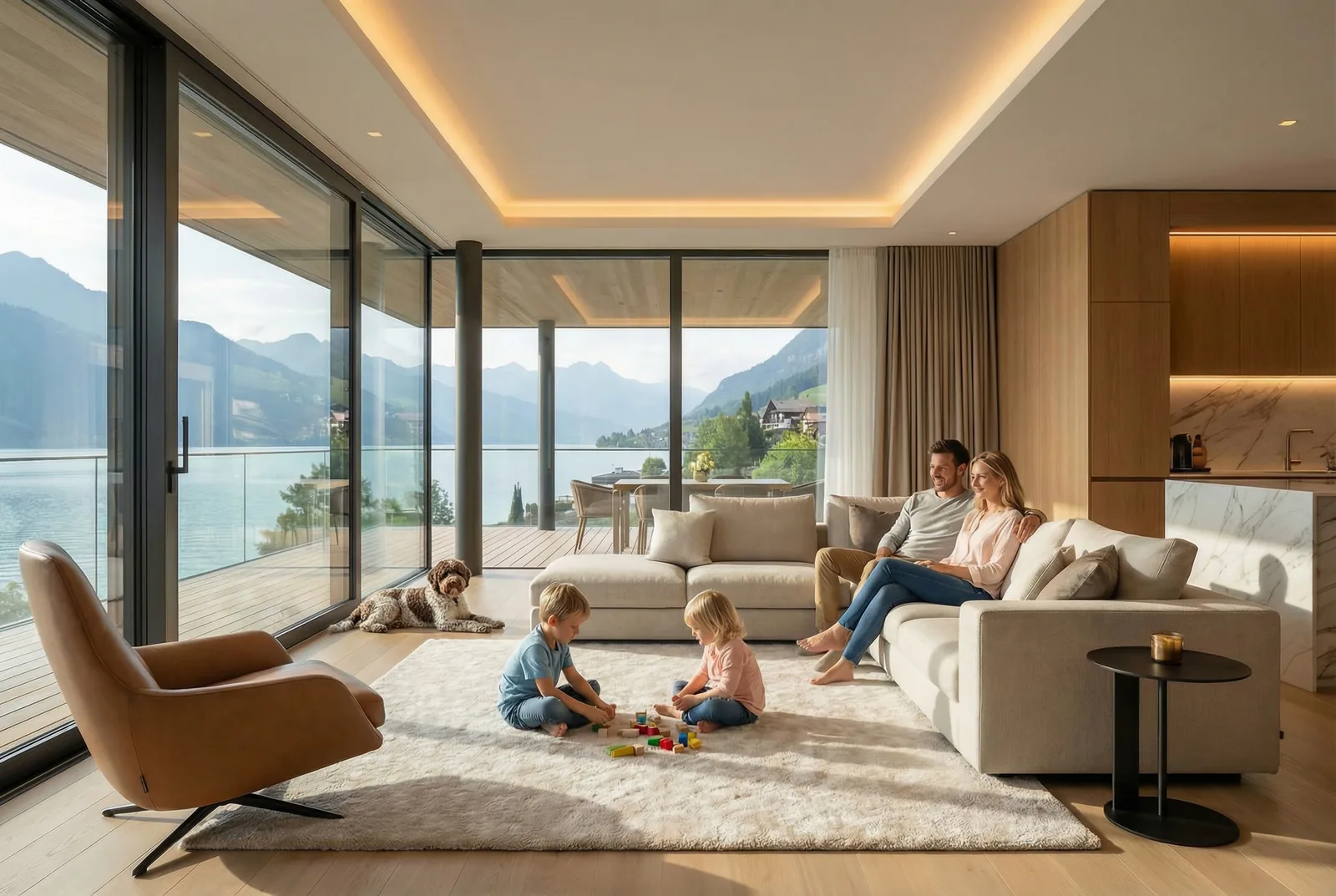
AI is not a replacement.
But sometimes the better solution.
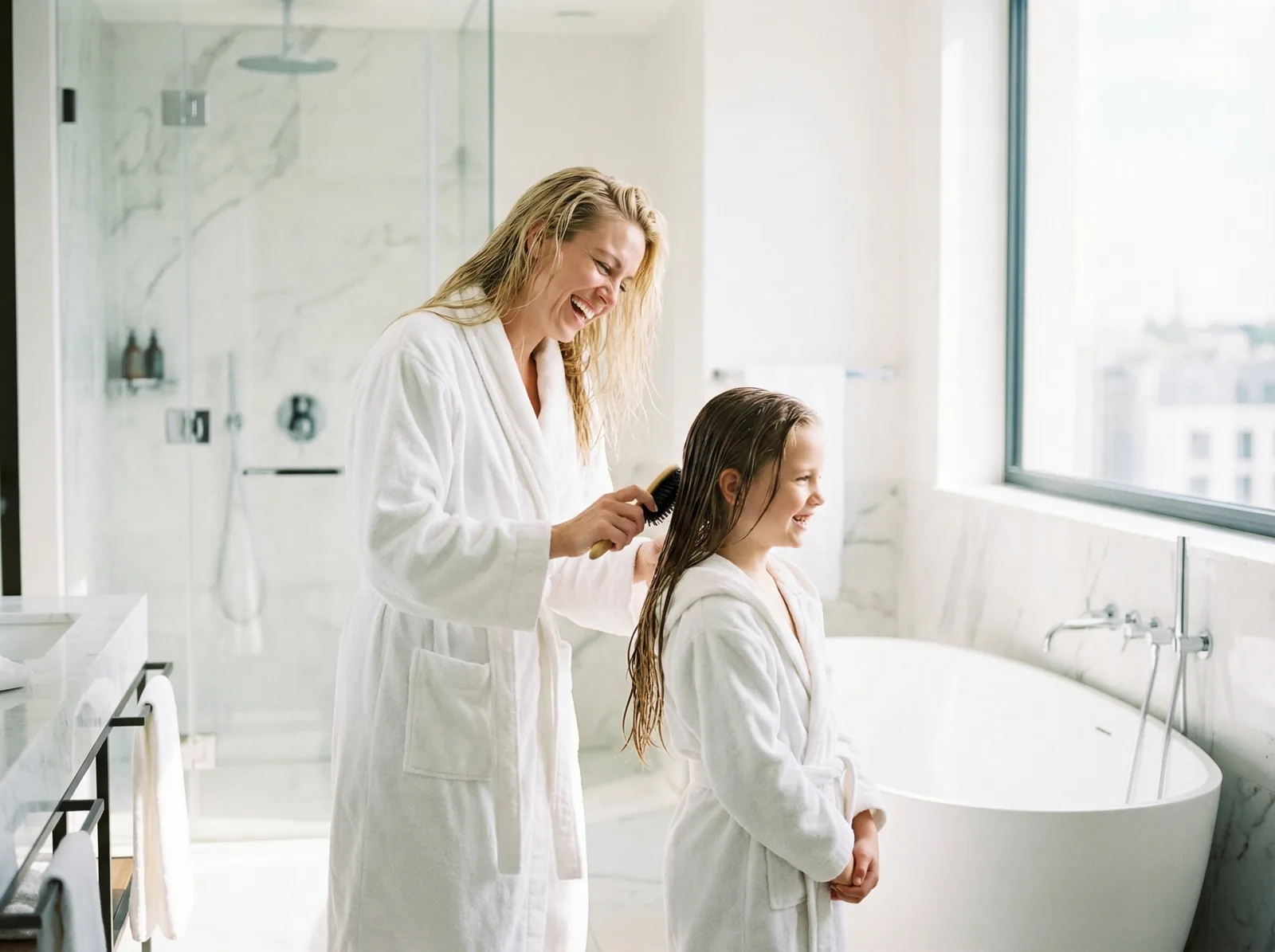
Showing target groups
A finished room feels different when people use it. AI models show different guest types without an additional production on site.
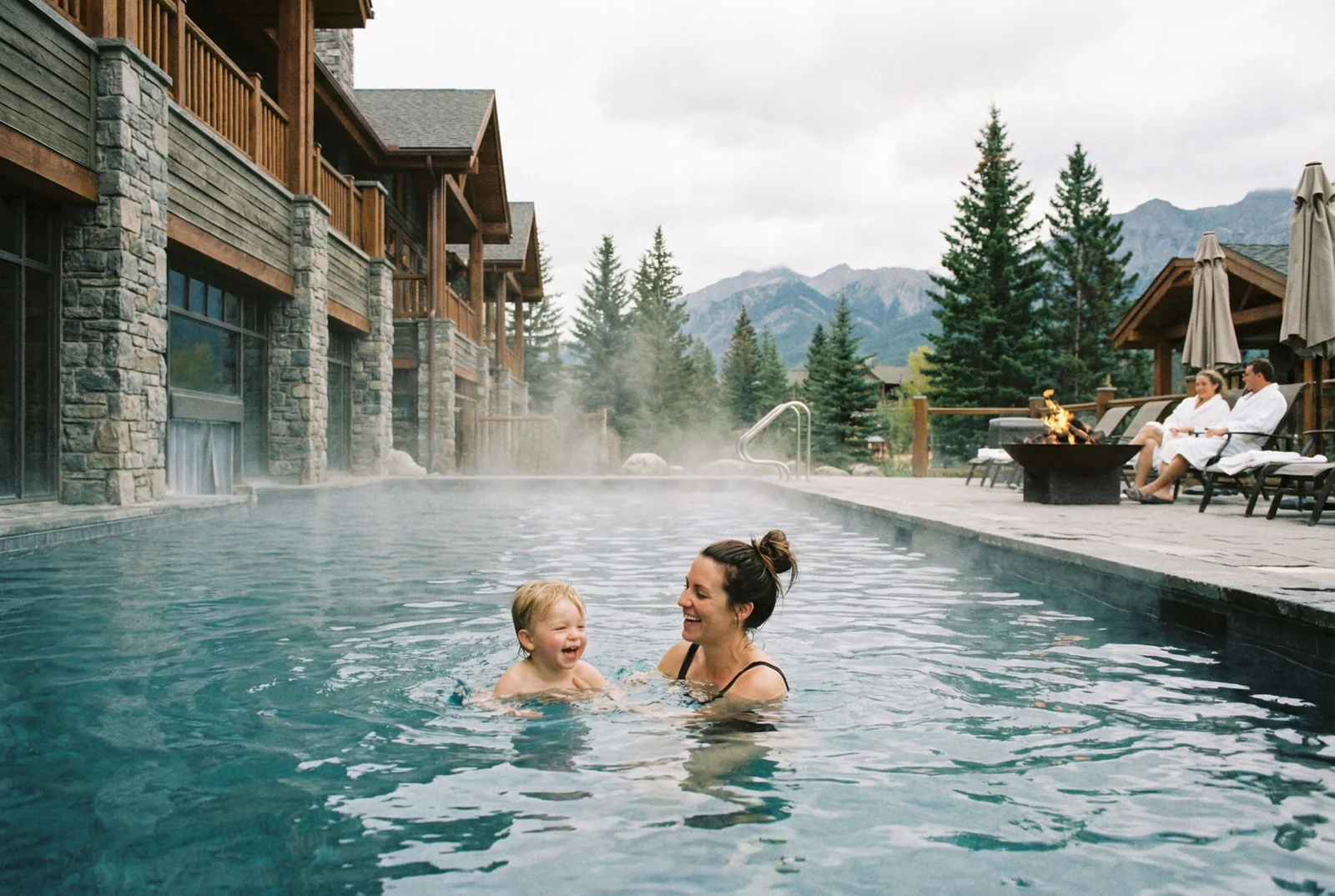
Use without organisation
No model casting, no scheduling, no additional shooting day. The image is built on the existing material.
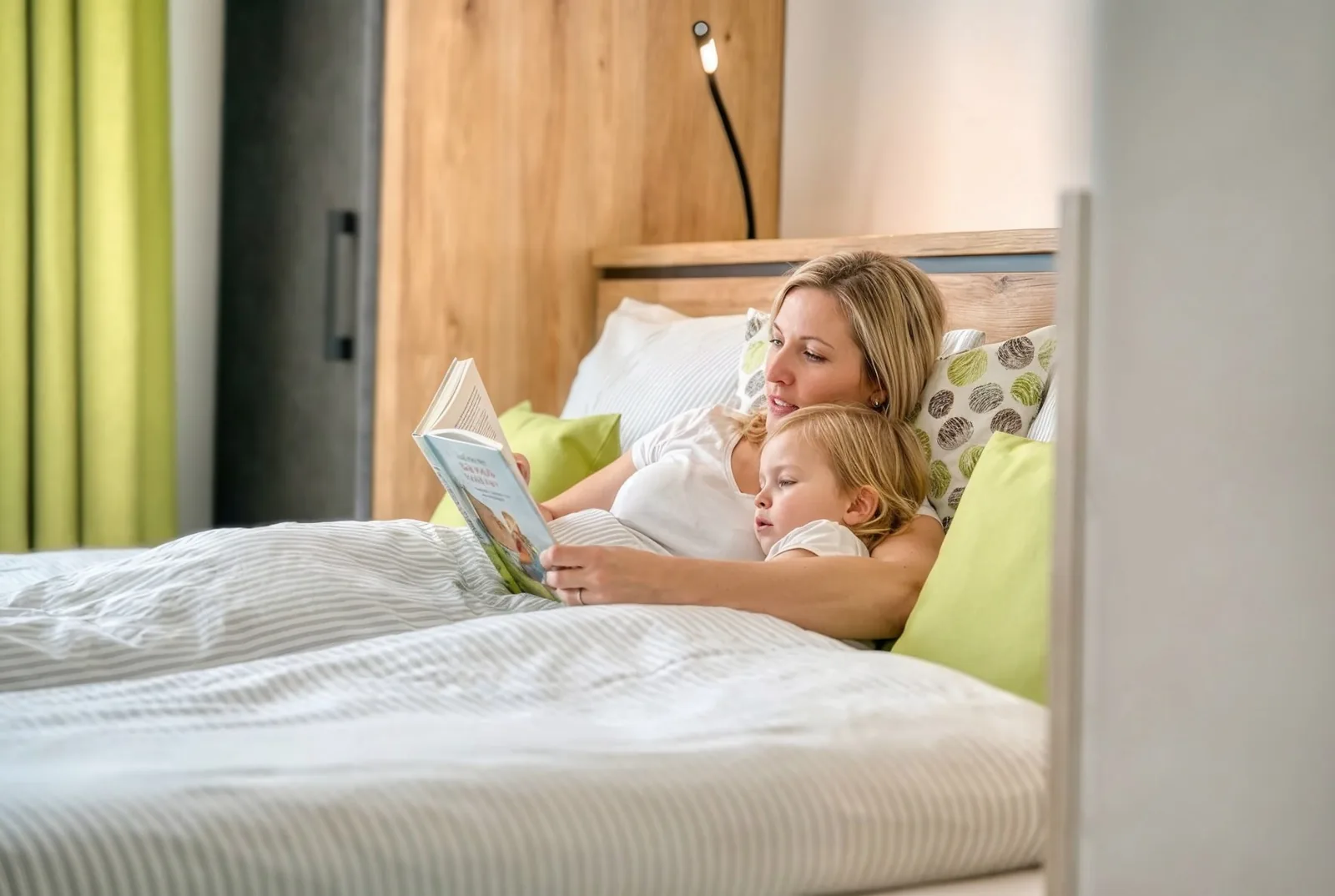
Flexible reworking
Existing images can be extended when communication goals change. The room stays real, the use is added.
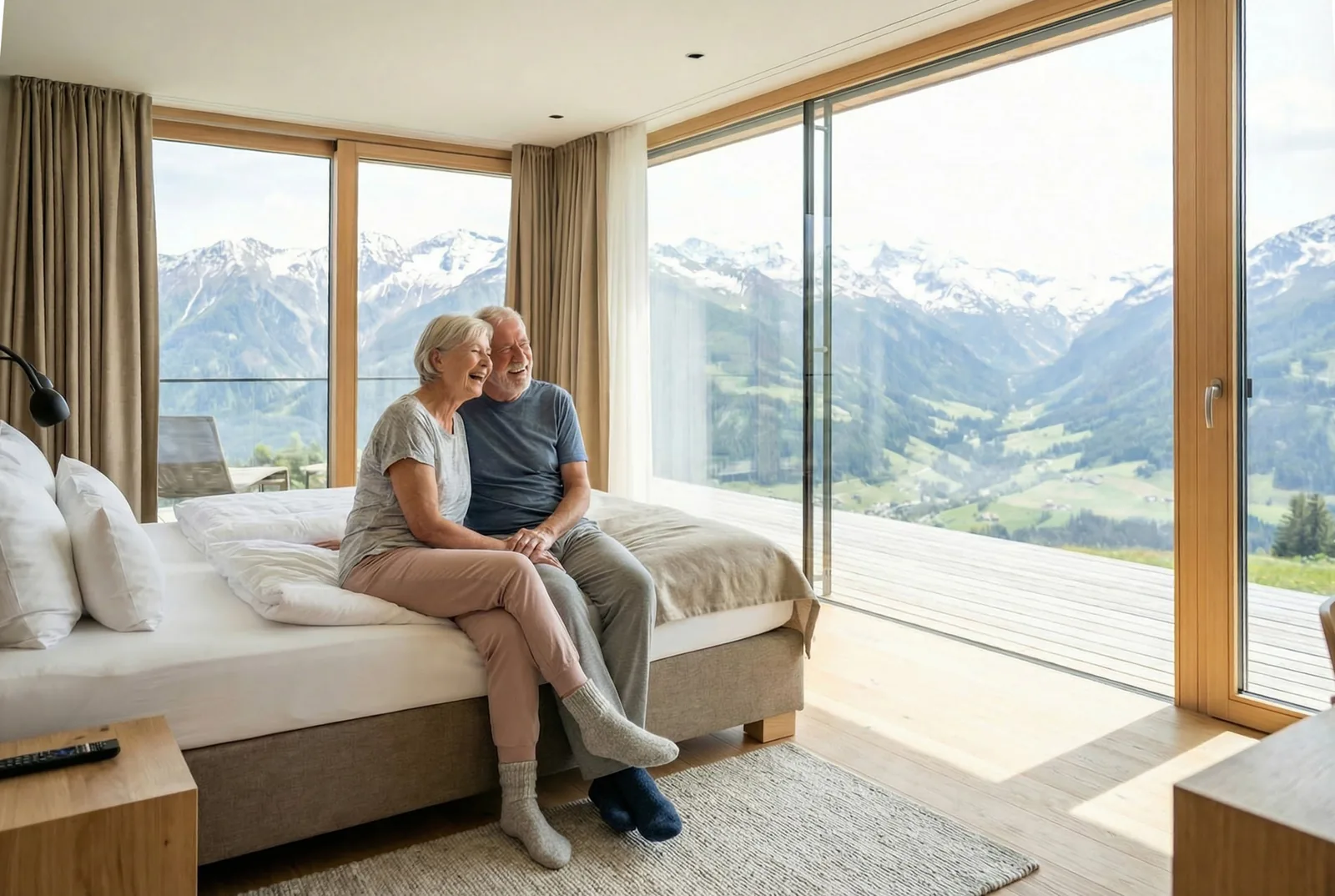
No model, no time limit
Without a model there is also no model agreement and no term that runs out at some point.
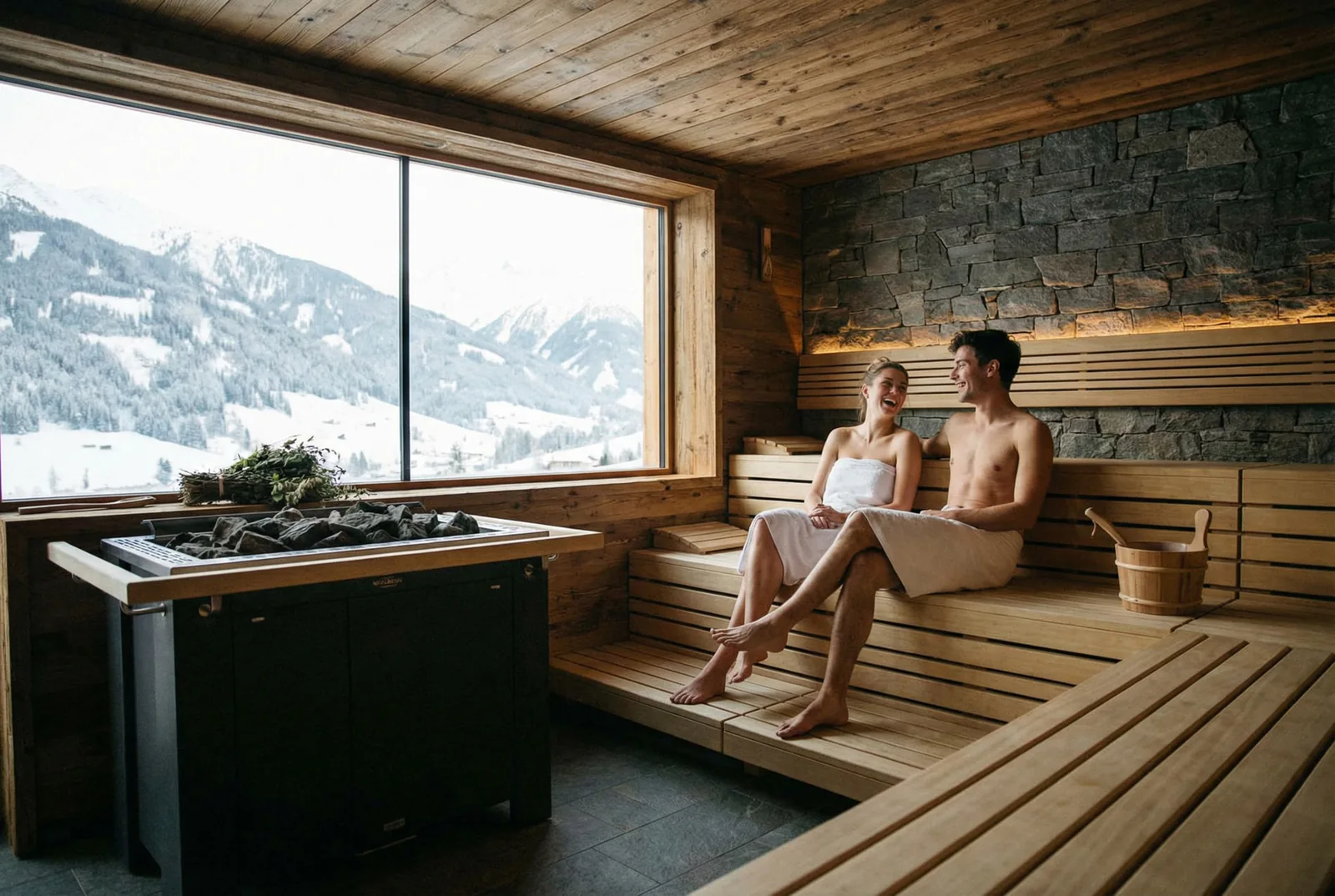
An addition to real photography
The basis remains real architecture. AI models are an addition, not a replacement for photography.
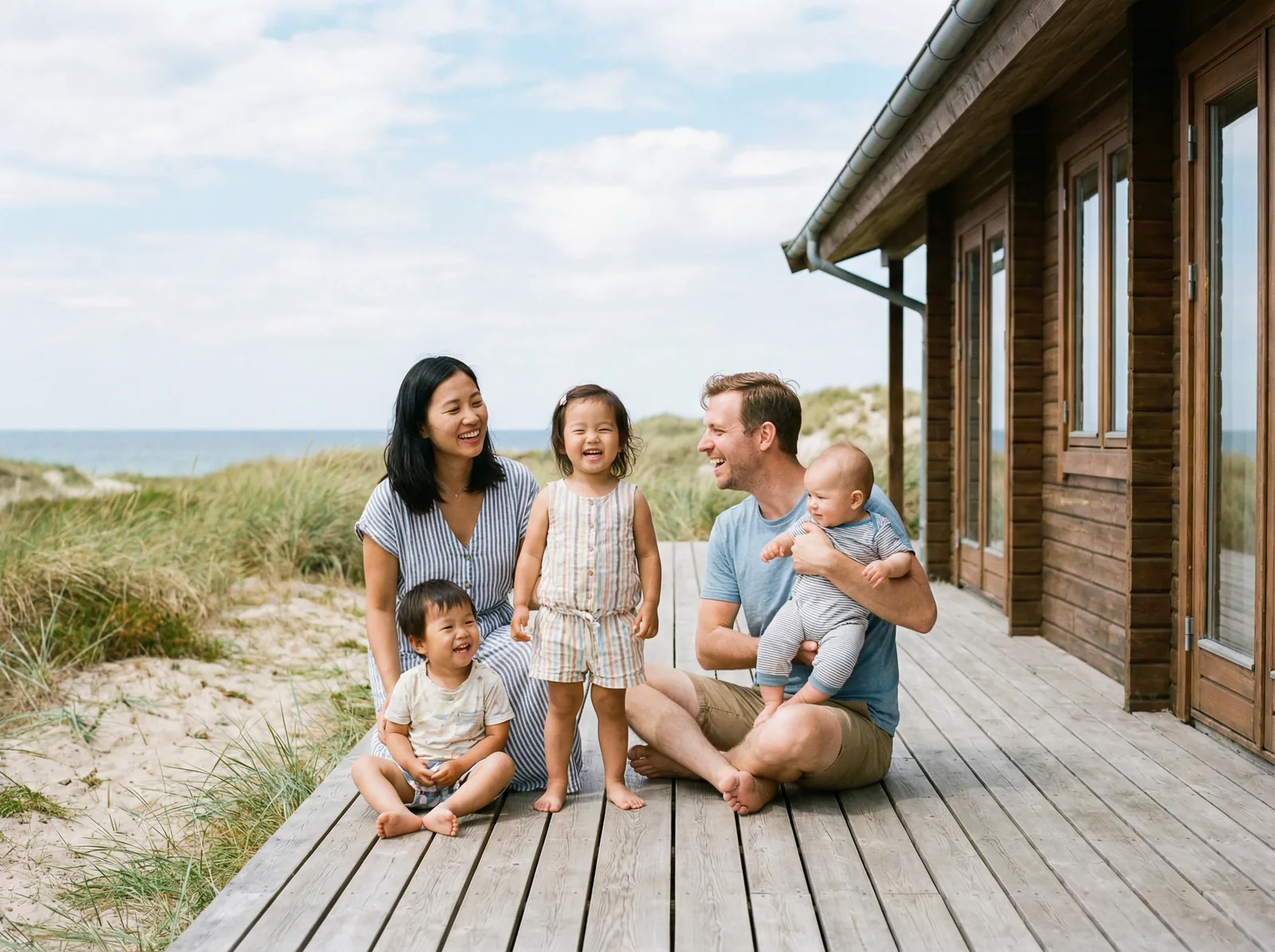
International variants
The same room can be shown with different people, adapted to market, season or campaign.
Images are part
of the argument
A full day in the house costs 1,300 €, a half day 800 € — for furnishers the same day rate as for hotels.
Both plus VAT. That includes 25 or 15 finished, edited pictures, the editing and a simple right of use, unlimited in time and place. Travel is charged at 0.40 € per kilometre.
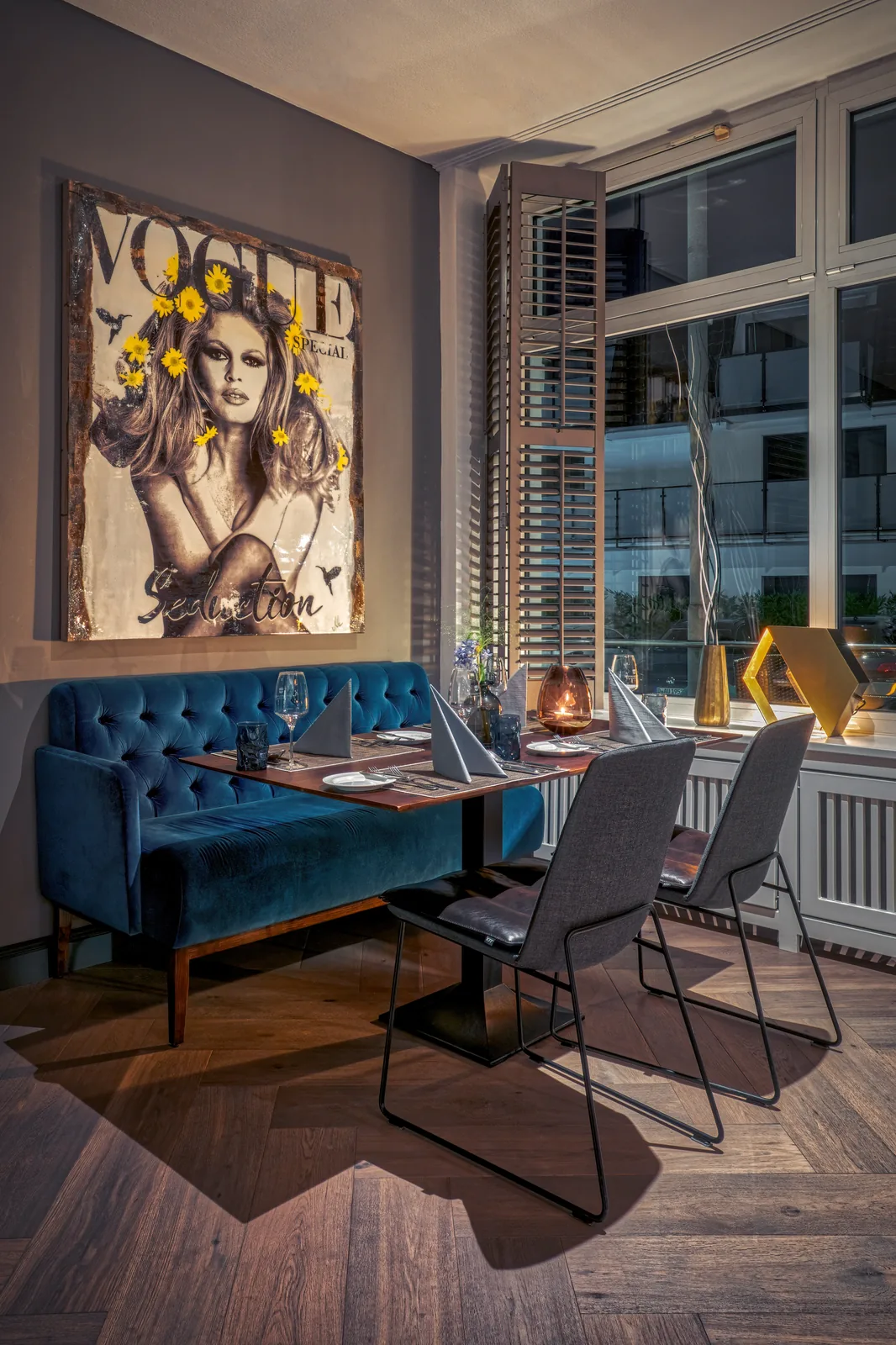
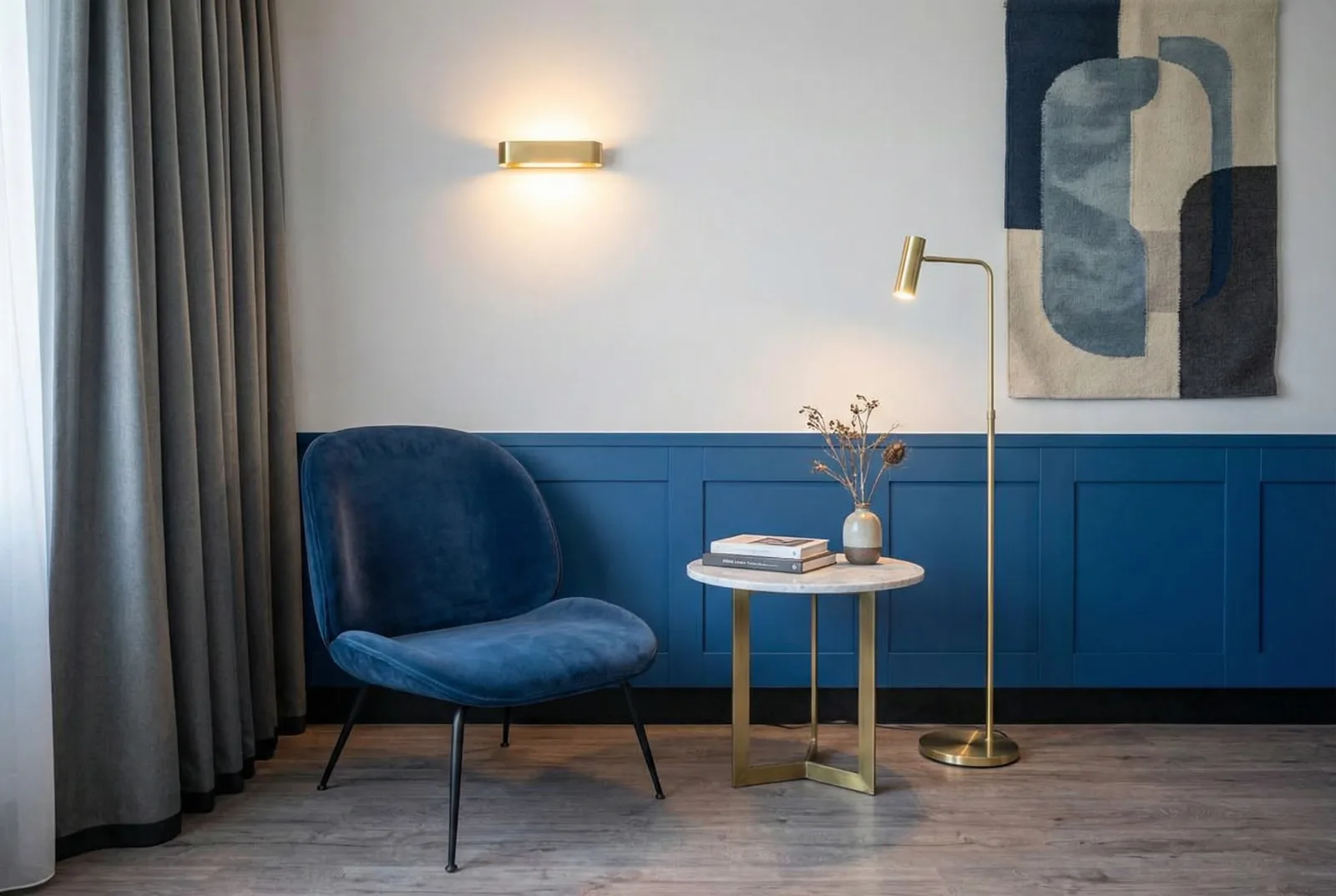
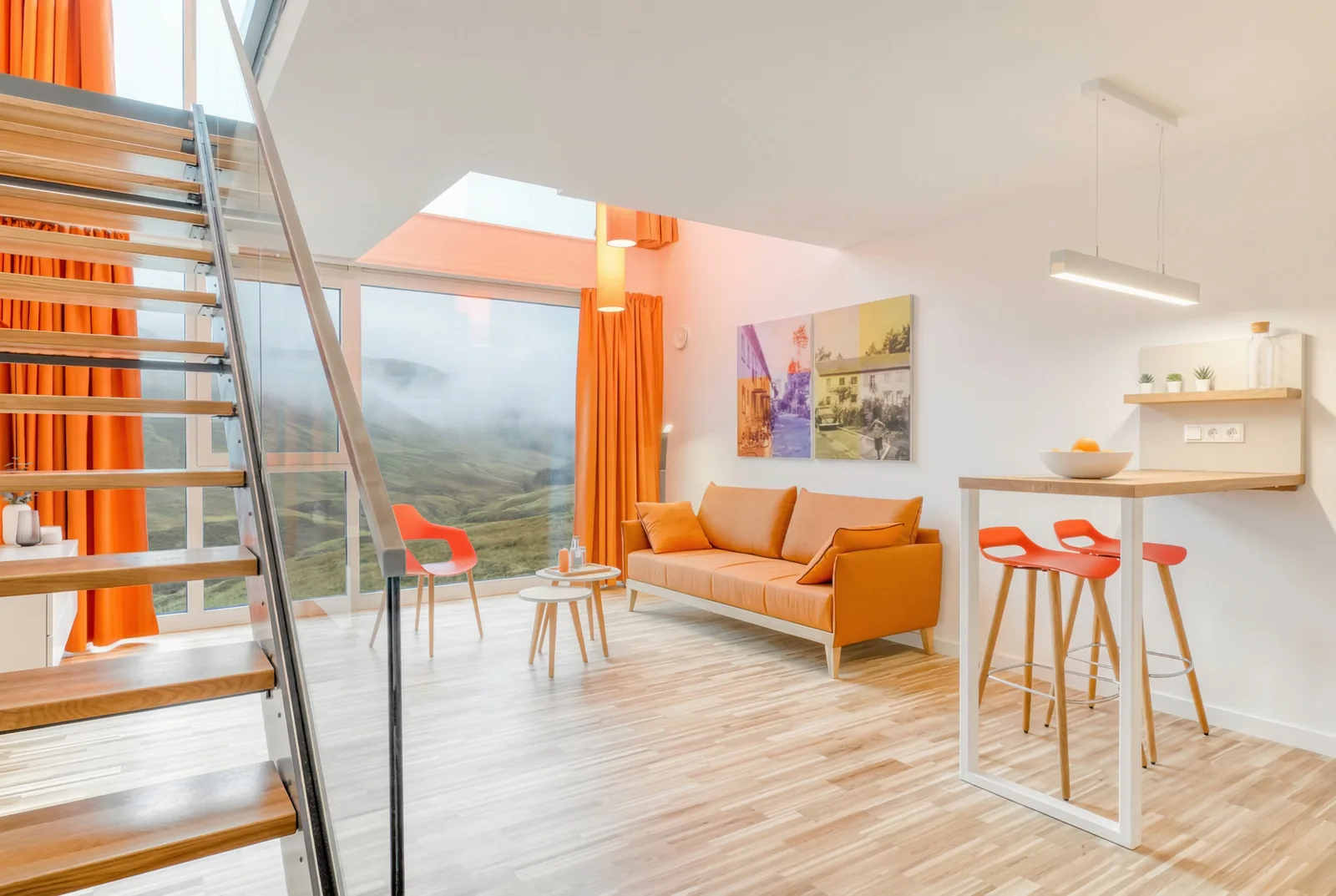
Produced properly once, images can be used in many places: website, catalogues, presentations, trade show appearances or vehicle graphics. The value does not come from single motifs, but from their long-term use.
360°
Planning becomes visible
once you move
Single images show details. Yet interior concepts emerge from the interplay of space, material and perspective.
The 360-degree tour through a real hotel furniture showroom makes it possible to experience design in context. Circulation, sightlines and spatial effect become comprehensible, the way a later client would perceive the project.
For hospitality furnishers this creates more than a reference list: a walkable argument for quality, planning and execution.
Common questions
for furnishers
Answers without detours
Who commissions the pictures, you or the house?
Usually the furnisher. That puts the decision on motifs and the right of use with you, not with the house.
Who arranges access?
You arrange that with the house, whether hotel, holiday apartment or restaurant: date, rooms, keys. The work happens while the house is open.
What does a day of photography cost?
A full day in the house costs 1,300 €, a half day 800 €, both plus VAT. That includes 25 or 15 finished, edited pictures, the editing and a simple right of use, unlimited in time and place. For furnishers the same day rate applies. Travel is charged at 0.40 € per kilometre.
What if the house wants the pictures as well?
That happens often and is rarely a problem. The house can acquire its own right of use – fairly calculated and directly between the house and me, not across your desk. The same applies the other way round: if the house commissioned the photography, its right of use does not cover your references.
What does a reference picture show that a hotel picture does not?
Materials, detail quality and execution – the things that disappear behind the overall impression in a finished room. A hotel picture sells a stay, a reference picture sells design work.
Can a room be shown before it is finished?
Yes, through virtual staging. An existing photograph is enough as a basis, or I photograph the room first – both work. From approval to the finished picture takes two to five days, and one round of corrections is included.
Any questions?
Whether hotel, holiday apartment, holiday home or restaurant: if you feel your website could show more than rooms, let us talk.